
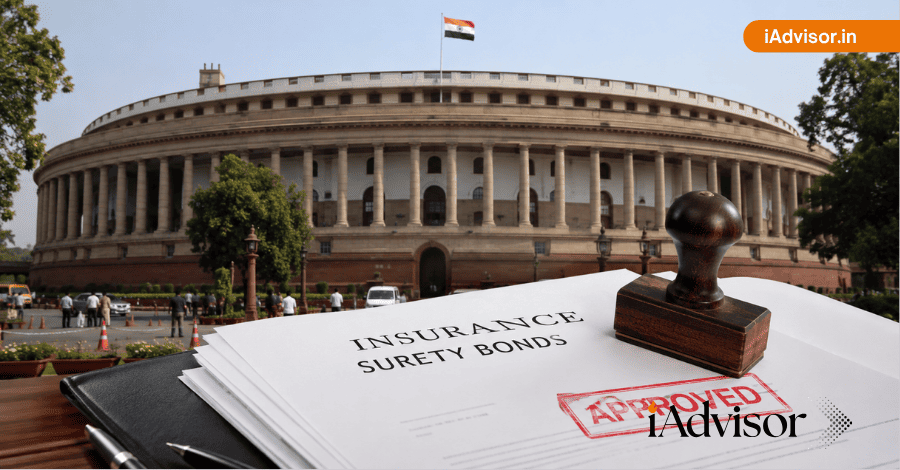
NEW DELHI — In a move designed to boost the “ease of doing business” and unlock capital for the coal industry, the Ministry of Coal has officially permitted coal block allottees to use Insurance Surety Bonds (ISBs) as a substitute for traditional Performance Bank Guarantees (PBGs).
The reform, formalized through the Coal Blocks Allocation (Amendment) Rules, 2026, was notified on July 2, 2026. This policy change allows entities to meet their performance security obligations using insurance instruments, marking a significant departure from the capital-intensive bank guarantee model.
A Strategic Shift for the Industry
Performance bank guarantees have long been a standard requirement in government contracts to ensure developers fulfill their obligations, such as the timely development of coal mines. However, these guarantees often require companies to deposit significant cash collateral—frequently ranging from 20% to 100% of the guarantee value—and consume the firm’s “Non-Fund-Based” (NFB) credit limits with banks.
By introducing Insurance Surety Bonds, the Ministry aims to:
- Ease Financial Burdens: Companies can now free up valuable working capital that was previously locked in bank deposits, allowing for more efficient deployment toward mine development and operational activities.
- Retrospective Benefits: In a boost to existing projects, the Ministry has extended this facility to current allottees, who are now eligible to replace their existing bank guarantees with surety bonds, subject to prescribed conditions.
- Encourage Investment: The move is expected to attract a wider range of investors by making the commercial coal mining ecosystem more liquid and transparent.
Building on a Broader Reform Agenda
This decision is not an isolated event but part of a multi-year effort by the Government of India to modernize financial security instruments across infrastructure and procurement sectors.
The framework for this shift was laid in February 2022, when the Ministry of Finance amended the General Financial Rules (GFR) to establish the legal equivalence of surety bonds with bank guarantees. Since then, various sectors have adopted the instrument:
- NHAI (2022): The National Highways Authority of India was among the first to formally accept surety bonds for road projects.
- Power Sector (April 2026): The Ministry of Power issued a landmark mandate requiring all states, Union Territories, and utilities to accept surety bonds across their procurement frameworks, including solar, wind, and transmission projects.
- Mining Sector (March 2026): The Ministry of Mines had already introduced similar provisions for critical and strategic mineral blocks through amendments to its auction rules.
Next Steps for the Coal Ministry
Initially, the facility is being introduced for coal blocks allocated under the Mines and Minerals (Development and Regulation) (MMDR) Act, 1957. However, the Ministry of Coal has signaled its intent to extend this flexibility to blocks allocated under the Coal Mines (Special Provisions) Act, 2015, further widening the reach of this financial reform.
Industry experts view this as a crucial step in maturing India’s surety bond market, as it encourages IRDAI-regulated insurance companies to develop more sophisticated risk-assessment models while helping infrastructure developers focus on execution capability rather than just collateral power.